

Choosing a face wash sounds simple until you actually have to buy one.
You go to a shop thinking you will pick a bottle in two minutes. Then you see gel cleansers, foaming cleansers, cream cleansers, acne face washes, brightening face washes, hydrating ones and products made specifically for sensitive skin. Some have tiny ingredient names printed all over the bottle, while others make big promises on the front.
It is easy to wonder, “Which one should I actually use?”
The answer is not always the most expensive product or the one everyone is talking about online. Your skin matters much more than the popularity of a particular bottle.
A cleanser that works comfortably for your friend might leave your face feeling dry. Another product that looks perfect for oily skin may be too strong for someone with sensitive skin.
So instead of searching for one face wash that is supposed to work for everybody, start with a simpler question: What does my skin need?
That one question can make choosing a face wash much easier.
Why Is Best Face Wash Important?
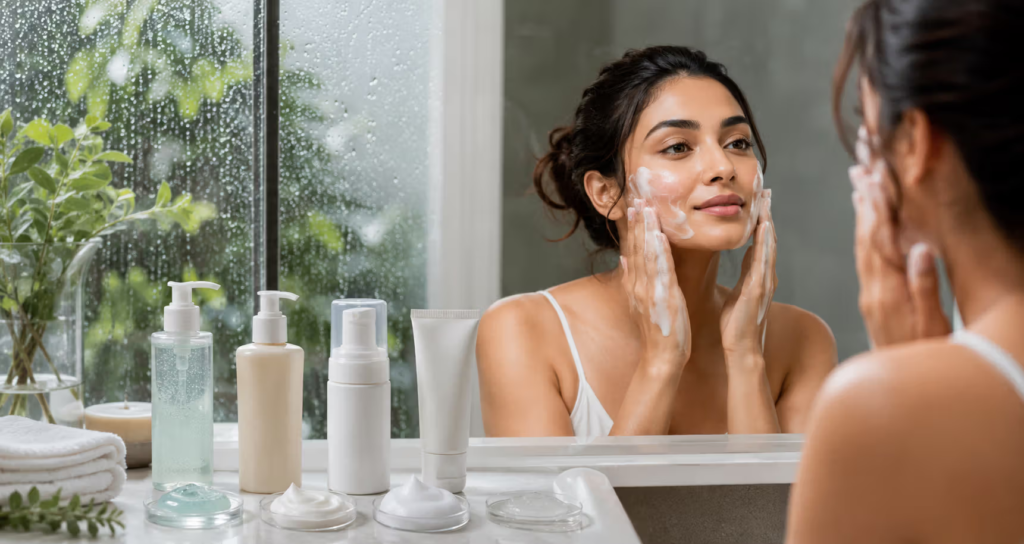
Your face picks up a lot during the day.
There may be sweat after travelling, oil produced naturally by your skin, dust from outside, sunscreen, makeup or simply the buildup that happens throughout the day. Even if you spend most of your time indoors, your skin still produces oil and comes into contact with different products.
Washing your face helps remove this everyday buildup.
It is also usually the first step before applying other skincare products such as moisturizer or sunscreen. But there is one thing worth remembering: your face does not need to feel extremely tight after washing.
That “squeaky clean” feeling is not necessarily a sign that you have found the perfect cleanser.
If your skin feels comfortable, clean and fresh after washing, that is a much better sign. If it feels stretched, rough or unusually dry, your cleanser may be removing more than you need.
Start by Understanding Your Skin
Before buying a new face wash, pay attention to your skin for a few days.
You don’t need a complicated skin test. Everyday observations can tell you quite a lot.
Notice what happens a few hours after washing. Does your forehead become shiny? Do your cheeks feel dry? Does your nose get oily while your cheeks stay comfortable? Does your skin become red or sting whenever you introduce a new product?
These small details can help you understand what kind of cleanser may suit you.
Oily Skin

Oily skin usually produces more natural oil than other skin types. The forehead, nose and chin may become noticeably shiny during the day.
Some people with oily skin also experience clogged pores or frequent breakouts.
A face wash for oily skin should help remove excess oil and daily dirt without leaving the skin feeling stripped. It can be tempting to choose the strongest cleanser available because you want to get rid of the oil completely.
But your skin still needs some natural moisture.
If your face feels very dry or tight immediately after washing, the cleanser may be too harsh for your routine.
Dry Skin
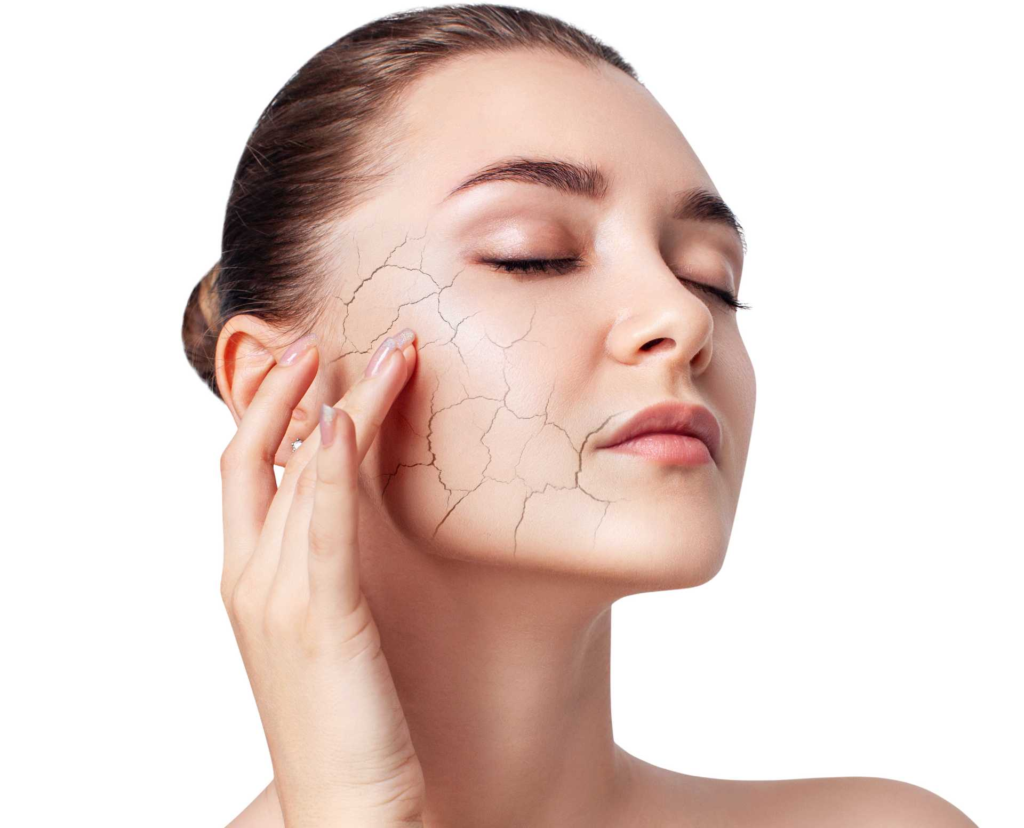
Dry skin often feels tight, rough or flaky. You may even feel the need to apply moisturizer immediately after washing.
If that happens regularly, your cleanser deserves a second look.
A gentle cleanser with a creamy or moisturizing texture may feel more comfortable. Ingredients such as glycerin and ceramides are commonly found in products designed for dry skin.
You also don’t need to use a large amount of product. A small amount, used gently, is usually enough for normal cleansing.
Combination Skin
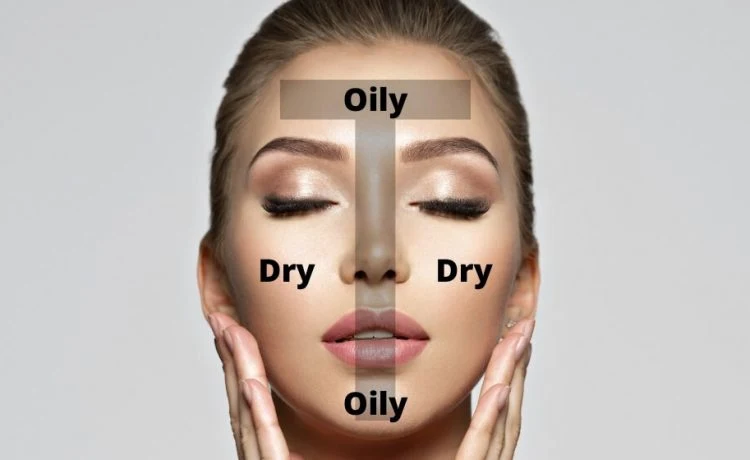
Combination skin can be tricky because different areas of the face may need different things.
Your forehead and nose might become oily while your cheeks feel dry or completely normal. Using a very strong cleanser may make your T-zone feel clean while leaving your cheeks uncomfortable.
For this reason, a balanced cleanser can be a useful choice for combination skin.
You don’t necessarily need separate products for different areas of your face. Finding a cleanser that keeps the overall skin comfortable is often a simpler approach.
Sensitive Skin

Sensitive skin tends to make its opinion known.
A product may cause stinging, redness, itching, burning or general discomfort. Sometimes the reaction appears almost immediately.
If your skin is sensitive, avoid changing several skincare products at once. Introduce new products one at a time so you can notice how your skin responds.
Also, don’t choose a product only because the bottle says “natural,” “gentle” or “mild.” Those words alone don’t tell you everything about the formula.
If you already know that a particular ingredient causes problems for your skin, check the ingredient list before buying.
Normal Skin

Normal skin usually feels fairly balanced. It isn’t constantly oily, and it doesn’t regularly feel dry or uncomfortable.
If your skin is like this, you don’t need to turn cleansing into a complicated process.
A simple face wash that removes everyday dirt and feels comfortable after rinsing may be completely enough.
Common Ingredients You May Find in Best Face Wash
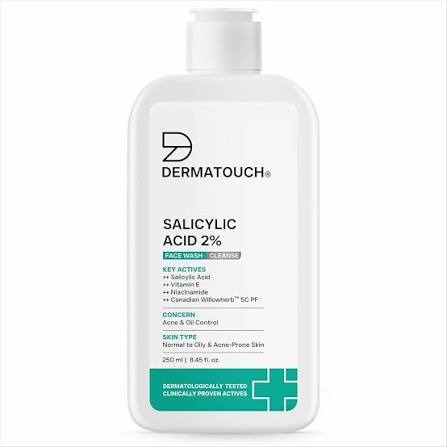
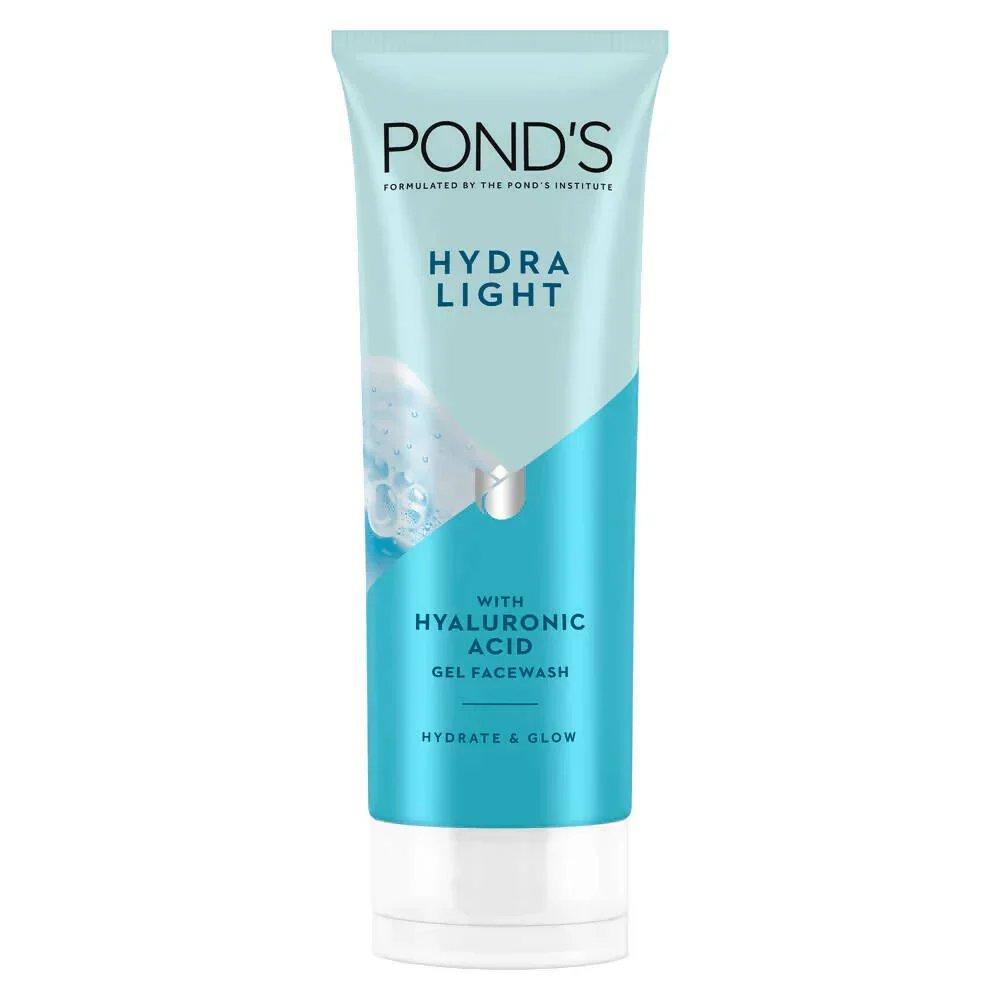
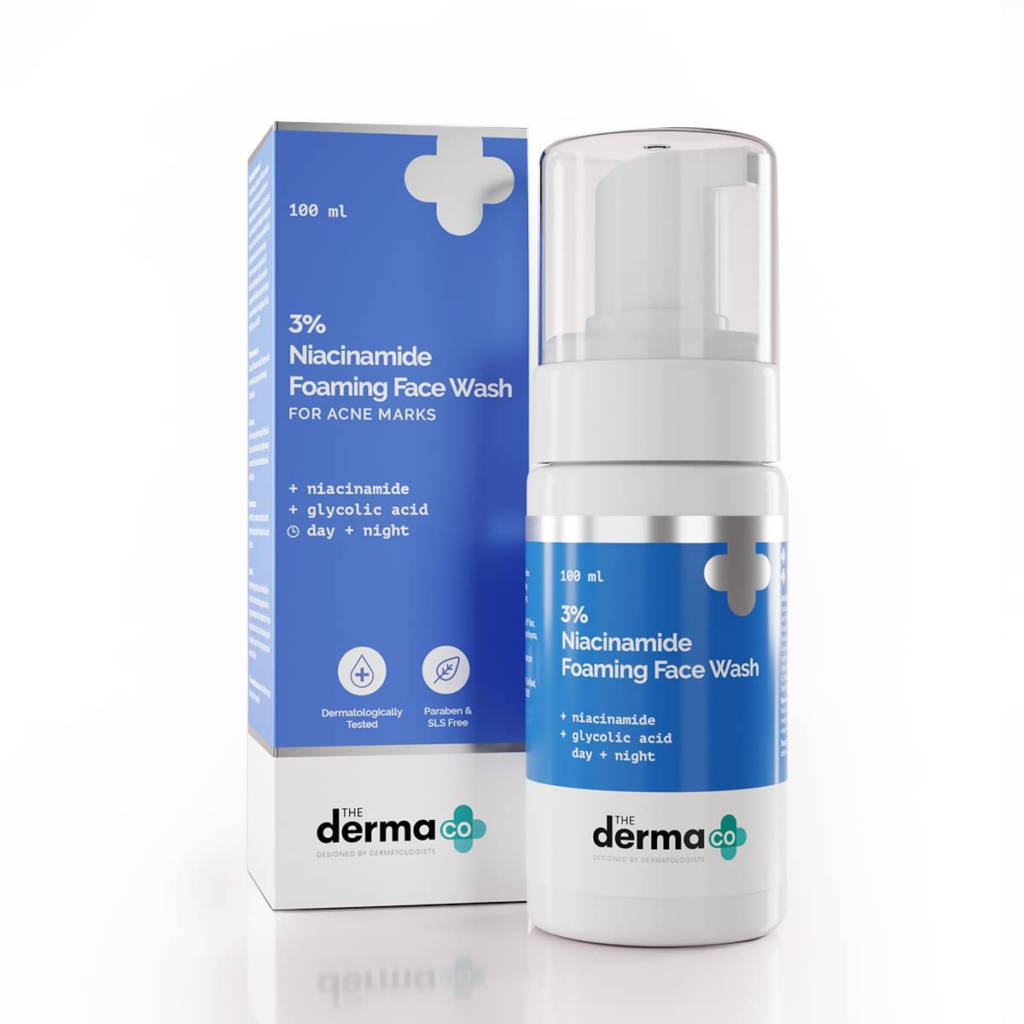
You don’t need to become a skincare expert before buying a cleanser. Learning about a few common ingredients is enough to make product labels less confusing.
Salicylic Acid
Salicylic acid is commonly found in cleansers made for oily and acne-prone skin. It is often used in products intended to help with clogged pores.
If your skin is sensitive, be careful about adding strong active ingredients too quickly.
Glycerin
Glycerin is widely used in skincare because it helps attract and retain water. It is often included in cleansers that are designed to feel less drying.
Ceramides
Ceramides naturally occur in the skin and are associated with the skin barrier. They are commonly included in products designed for dry or easily irritated skin.
Hyaluronic Acid
Hyaluronic acid is well known for its ability to hold water. You will often see it in serums and moisturizers, but some face washes also contain it.
Because a cleanser is rinsed away, though, don’t choose a product only because you see hyaluronic acid on the label.
Niacinamide
Niacinamide is a form of vitamin B3 that appears in many skincare products. It may be included in formulas intended to support the skin barrier or help with the appearance of excess oil.
As with any ingredient, the complete formula matters more than one ingredient by itself.
Gel, Foam or Cream: Which One Should You Choose?
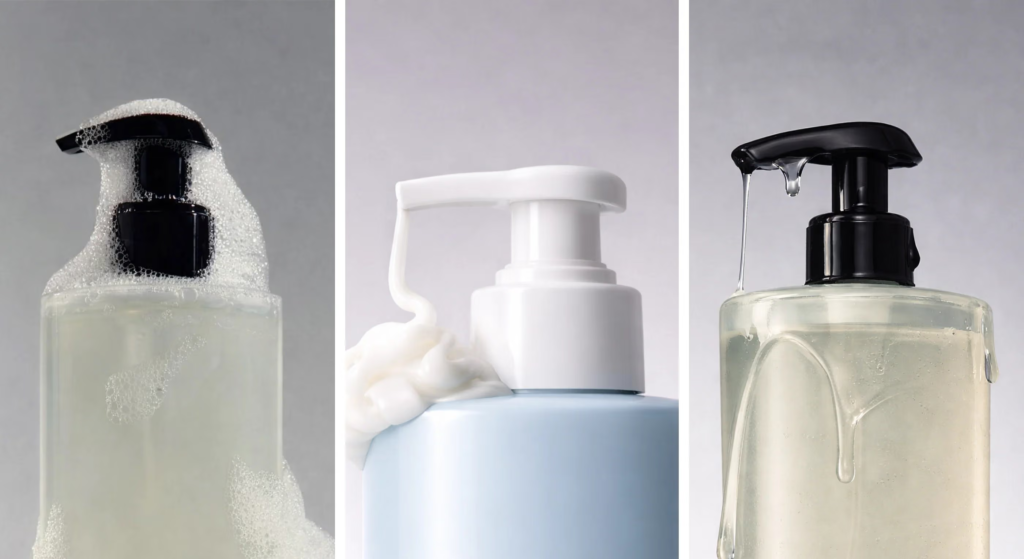
The texture of a cleanser can make a surprisingly big difference in how much you enjoy using it.
Gel cleansers tend to have a lighter feel. They can be a nice option if you don’t like rich or heavy products.
Foaming cleansers create lather, which many people enjoy because it gives a satisfying feeling of washing the face. However, some formulas can feel drying.
Cream cleansers usually have a richer texture and may feel more comfortable on dry or sensitive skin.
You may also come across cleansing oils, balms and micellar products. These can be useful when removing makeup or sunscreen.
Don’t assume that every cleanser with the same texture will behave in the same way. Two gel cleansers can have completely different formulas.
Face-Washing Mistakes That Are Easy to Make

Even a suitable face wash can become uncomfortable if you use it the wrong way.
Washing With Very Hot Water
A hot shower can feel great, especially on a cold morning, but very hot water may leave facial skin feeling dry.
Lukewarm water is generally a more comfortable choice.
Scrubbing Too Hard
Your face doesn’t need aggressive scrubbing.
Use your fingertips and gentle movements instead. Rubbing harder will not necessarily remove more dirt, and it may leave your skin irritated.
Using Too Much Product
More cleanser does not mean better cleansing.
Start with a small amount and follow the instructions on the product. You don’t need to cover your entire face in a thick layer of foam.
Washing Whenever Your Face Looks Oily
Seeing some shine during the afternoon doesn’t necessarily mean that you need to wash your face again.
Repeated cleansing can leave the skin feeling dry, particularly if the cleanser itself is strong.
Changing Products Constantly
This is an easy trap to fall into.
You see one cleanser on Instagram, another one is recommended by a friend, and suddenly you have changed products three times in a month.
When that happens, it becomes difficult to tell what actually suits your skin.
Give a suitable product some consistency. If it causes irritation, however, stop using it rather than waiting for your skin to adjust.
How to Choose the Best Face Wash for Your Skin
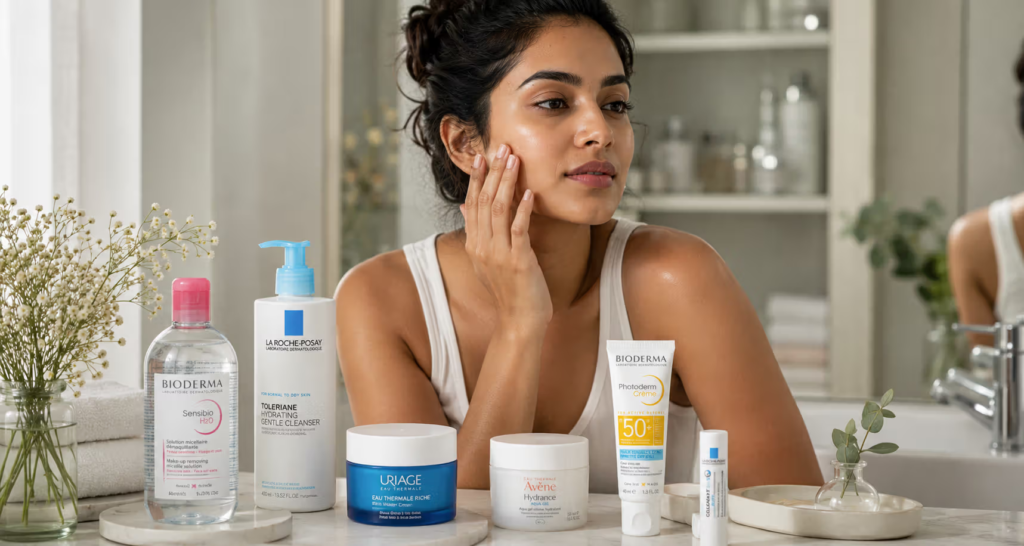
Before buying a cleanser, ask yourself a few straightforward questions:
- What is my skin type?
- Does my skin become oily during the day?
- Does it feel tight after washing?
- Do I regularly deal with clogged pores or breakouts?
- Is my skin easily irritated?
- Are there ingredients I already know I cannot tolerate?
- Do I need a basic cleanser or one aimed at a particular concern?
- How much am I comfortable spending?
- Do I actually like the texture of the product?
That last question is more important than it sounds.
A cleanser can look perfect on paper, but if you hate the smell, texture or feeling it leaves behind, you probably won’t enjoy using it regularly.
The best skincare routine is one you can realistically stick with.
What Should a Good Everyday Face Wash Do?
A good everyday cleanser doesn’t need to promise everything under the sun.

It should simply:
- Match your skin type
- Remove normal daily dirt, oil and buildup
- Feel comfortable after rinsing
- Avoid leaving your skin excessively tight
- Not repeatedly irritate your skin
- Fit your budget
- Be convenient enough to use regularly
That’s really the main idea.
You don’t need a face wash that promises to solve every skincare concern at once. A simple cleanser that does its basic job well can be more useful than a product with a huge list of promises.
Final Thoughts
Finding the best face wash is not about finding one magical cleanser that works for everyone.
Your friend’s favourite product might leave her skin feeling great while making your skin feel dry. A cleanser recommended by an influencer may also not be the right match for you.
Start with your own skin.
If your face becomes oily quickly, look for a cleanser that removes excess oil without leaving it feeling stripped. If your skin is dry, a gentler formula may be more comfortable. Combination skin may need something balanced, while sensitive skin often benefits from keeping the routine simple.
Ingredients are useful when comparing products, but don’t let one trendy ingredient make the decision for you. The complete formula, texture, price and way your skin feels afterward all matter.
And don’t assume that a higher price means a better cleanser.
Your cleanser is also only one part of skincare. Moisturizer, sunscreen and other products have their own roles.
In the end, the best face wash is the one that fits your skin, your routine and your budget—and one that leaves your face feeling comfortable rather than constantly asking you to fix another problem.
Frequently Asked Questions
1. Which face wash is best for daily use?
A gentle cleanser that suits your skin type is usually a practical option for everyday use. It should remove normal dirt, oil and buildup without leaving your skin excessively dry or irritated.
2. Is face wash suitable for oily skin?
Yes. A suitable cleanser can remove excess oil, sweat and everyday buildup. Some cleansers made for oily or acne-prone skin also contain ingredients such as salicylic acid.
3. Can dry skin use a foaming face wash?
It can, depending on the formula. If your skin feels tight or uncomfortable afterward, a gentler or creamier cleanser may be more suitable.
4. How many times should I wash my face?
Many people wash their face once in the morning and once at night. Your needs may vary depending on your skin type, activity level, weather and how your skin responds.
5. Is an expensive face wash better?
Not necessarily. Price alone does not determine whether a cleanser will suit your skin. The formulation, ingredients, skin type and comfort are more useful factors to consider.
The Best Body Care Routine: Easy Tips for Healthy-Looking Skin
I have always paid more attention to my face when it comes to skincare. Face…

The Best Garba Makeup Ideas: Beautiful Looks for Navratri Nights
Getting ready for Garba is almost as exciting as going to Garba itself. There is…

Best Morning Routines for Better Sleep and Daily Energy
There are days when I wake up and feel ready to get on with everything….

Daily Wellness Tips: Easy Natural Habits for Better Health
For a long time, I had a strange idea about being healthy Daily Wellness. I…

The Best Hair Products for Daily Hair Care
When I first started paying more attention to my hair, I thought I needed a…

The Best Baby & Kids Product Guide: Best Picks for Parents
Buying things for a baby sounds simple until you actually start Kids Product shopping. You…