

Walk into a skincare store and one thing becomes obvious very quickly: there are far too many Face Serum to choose from. Some bottles promise hydration, others focus on brightening, oil control, smoother-looking skin, or breakouts. Then there are ingredients such as vitamin C, niacinamide, hyaluronic acid, salicylic acid and retinol to understand.
It can get confusing, especially if you are buying a Face Serum for the first time.
The good thing is that you do not need a shelf full of serums to build a useful skincare routine. In fact, choosing one product that fits your skin and using it properly can be much easier than constantly switching between different products.
A serum is generally a lightweight skincare product made to deliver particular ingredients to the skin. The right choice depends on your skin type, the concern you want to address, the ingredients in the formula and how the product fits into the rest of your routine.
Price is another thing worth keeping in mind. A costly serum is not automatically the right serum for you. A simpler product that feels comfortable and fits your routine may be a more practical choice.
Why Are Face Serums So Popular?

One reason people like serums is their texture. Many are lightweight and spread easily over the skin without feeling as heavy as some creams.
They can also be convenient. Depending on the ingredients and product instructions, a serum may fit into either a morning or evening routine.
Another reason is the huge variety available. There are products aimed at hydration, oiliness, breakouts, uneven-looking skin and other common skincare concerns.
That variety is useful, but it can also make shopping harder.
Online reviews add another layer of confusion. You might see one person saying a serum completely changed their skincare routine while someone else says they noticed very little difference.
That does not necessarily mean one person is being honest and the other is not. Skincare can simply work differently for different people. Skin type, existing products, frequency of use and individual sensitivity can all affect the experience.
How to Choose the Right Face Serum

Instead of starting with a brand name, start with your own skincare concern.
Ask yourself:
What do I actually want this serum to help with?
Once you know the answer, look for ingredients commonly used for that purpose. This makes the search much easier than reading every serum description you come across.
If Your Skin Feels Dry or Dehydrated
If your skin often feels tight, dry or uncomfortable, a hydrating serum may be worth considering.
Hyaluronic acid is commonly used in hydrating skincare because it helps the skin hold onto moisture. Many hydrating serums have a lightweight texture and can be followed with a moisturizer.
The texture still matters. Even if an ingredient sounds perfect on paper, you are unlikely to enjoy using a product that feels sticky or uncomfortable.
Look at the complete formula rather than focusing on one ingredient printed in large letters on the front of the bottle.
If Your Skin Is Oily
Oily skin does not mean you need to avoid all moisturizing products.
In fact, removing every trace of natural oil can leave your routine feeling uncomfortable. A lightweight serum and moisturizer may still work well for oily or combination skin.
Niacinamide is a commonly used ingredient in products made for oily or combination skin. It is also found in formulas aimed at improving the appearance of uneven-looking skin and supporting the skin barrier.
When choosing a serum, look for a texture that feels comfortable rather than trying to find the strongest possible oil-control product.
If You Often Deal With Breakouts
Salicylic acid is one ingredient you will commonly see in products designed for oily or acne-prone skin. It is a type of beta hydroxy acid that can exfoliate inside pores.
That does not mean that more salicylic acid is always better.
Using several exfoliating products at the same time can leave your skin dry or irritated. If you already use an acne treatment or another active ingredient, check the instructions before adding another treatment serum.
If breakouts are persistent, painful or severe, it is better to speak with a dermatologist rather than continually buying new products and hoping one will solve the problem.
If Your Skin Looks Uneven
Vitamin C is a familiar ingredient in many brightening skincare products. Vitamin C serums are commonly used to support a more even-looking complexion.
There are different forms and concentrations of vitamin C, so two vitamin C serums can behave quite differently.
Some formulations are sensitive to light and air, which means storage matters. Follow the manufacturer’s instructions and avoid choosing a product simply because it contains a very high concentration.
If you have never used vitamin C before, starting with a product that fits comfortably into your routine is more sensible than immediately reaching for the strongest formula available.
Popular Face Serum Ingredients You Should Know
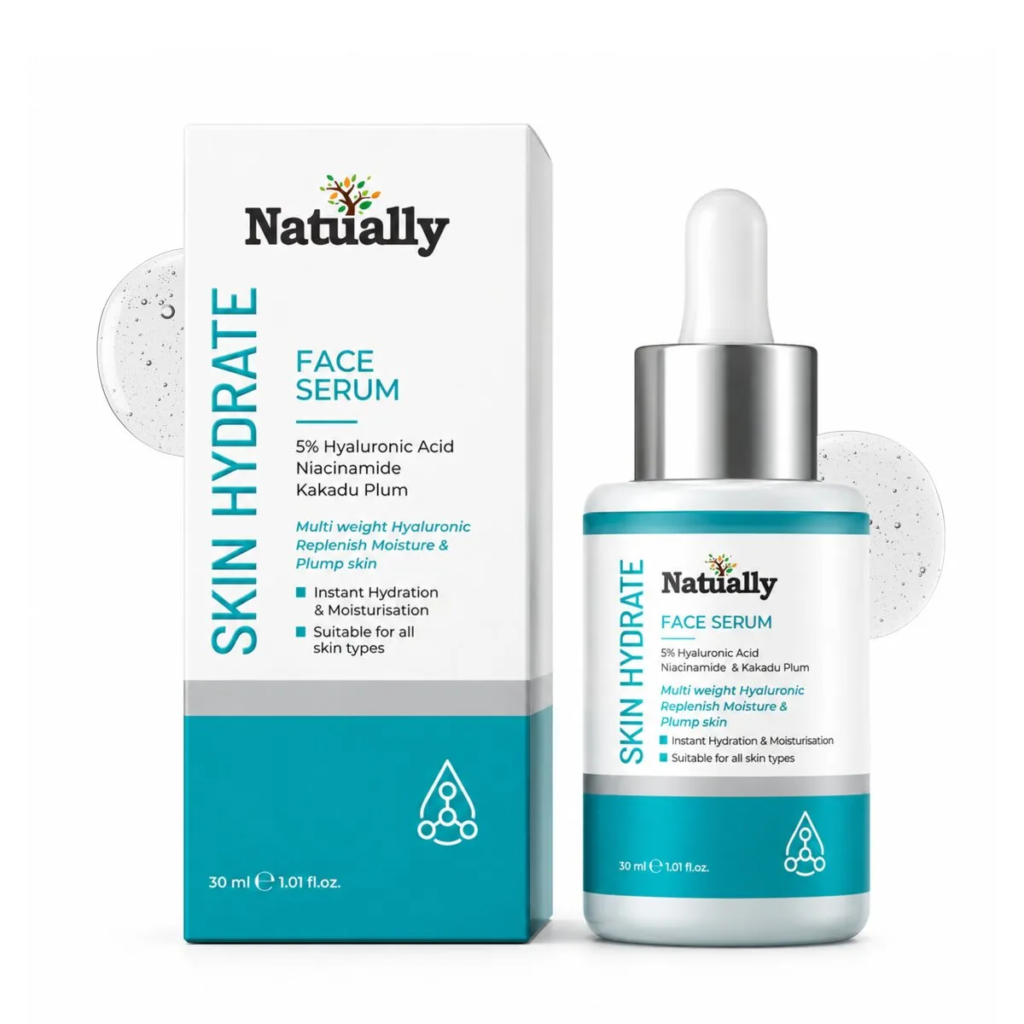
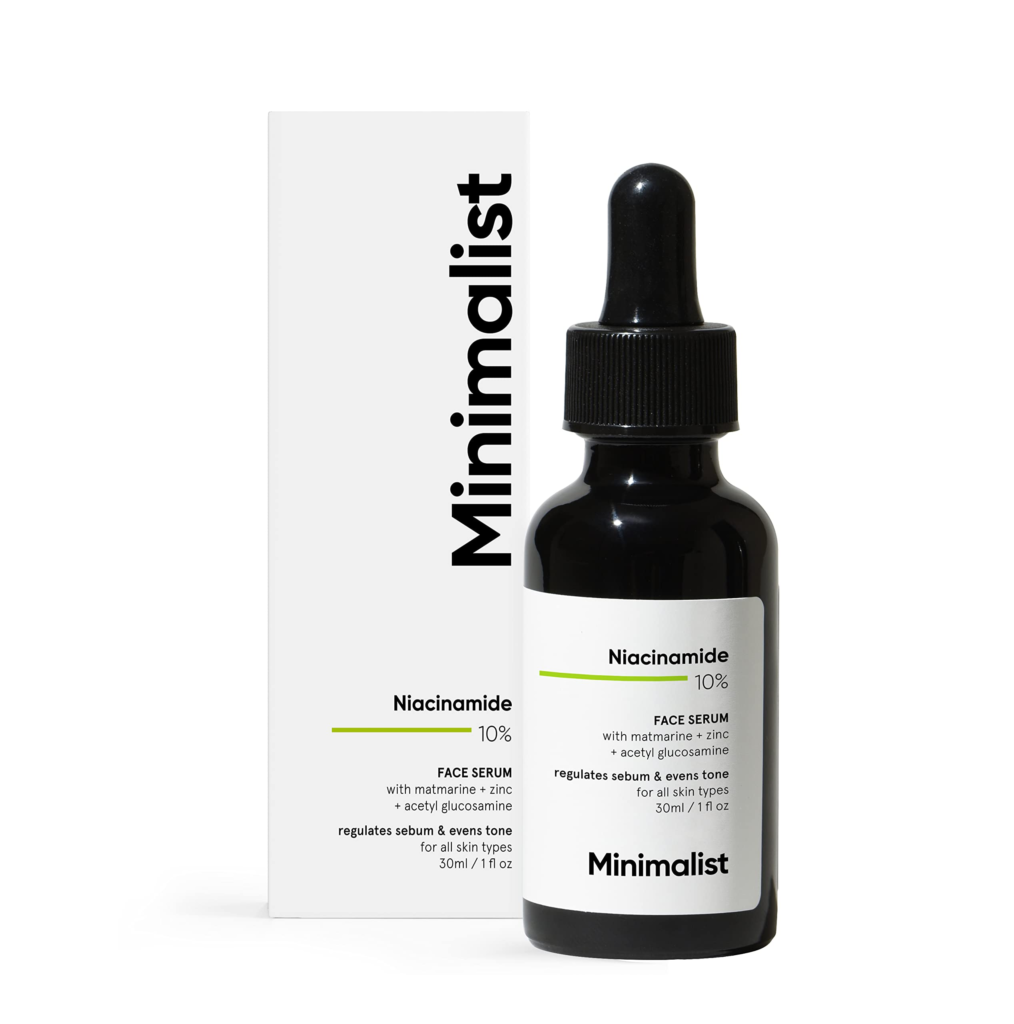
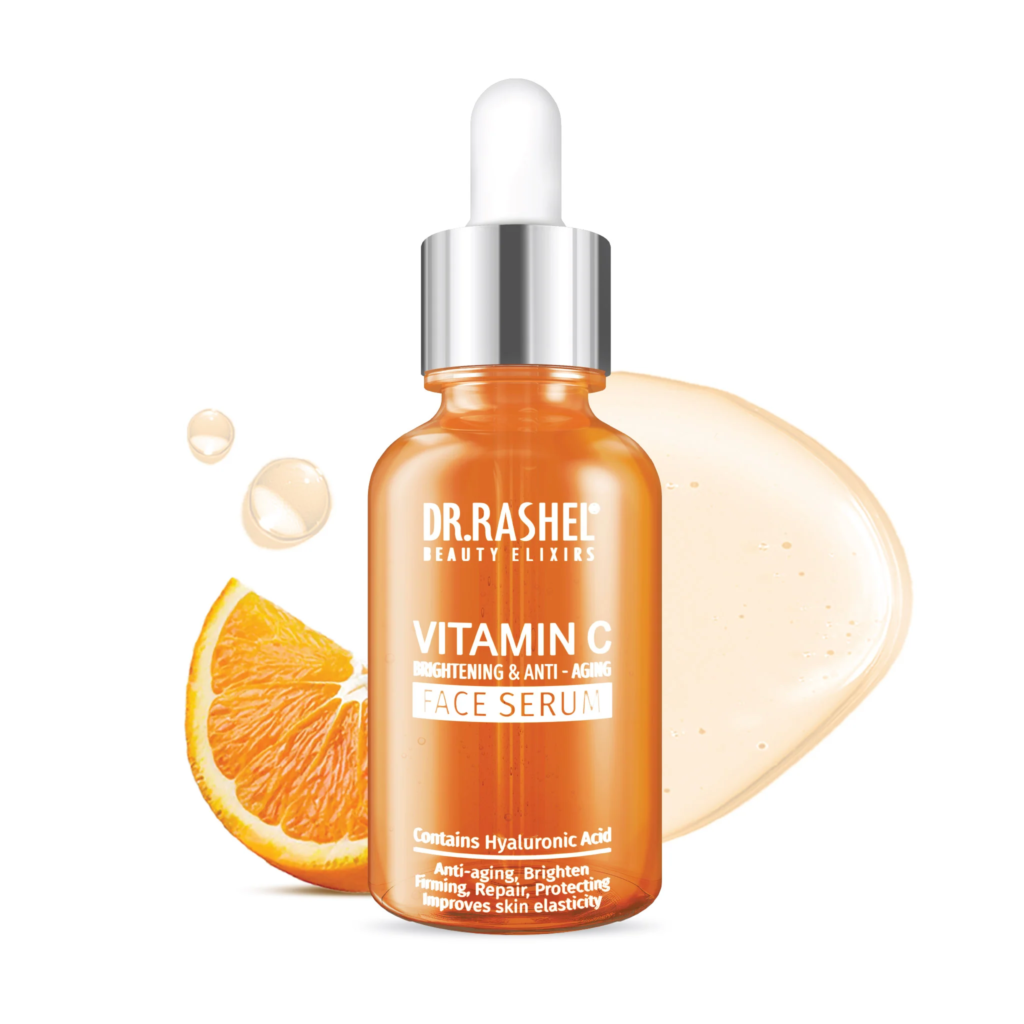
You do not need to memorise a long list of skincare ingredients. Knowing a few common ones can make shopping much easier.
Hyaluronic Acid
Hyaluronic acid is widely used in products designed for hydration. It helps attract and retain water, which is why it is often included in serums for skin that feels dry or dehydrated.
It is available in many lightweight formulas and is often easy to add to an everyday routine.
Niacinamide
Niacinamide is a form of vitamin B3 and is used in many different skincare products.
It can be found in formulas designed for concerns such as oiliness, uneven-looking skin and skin-barrier support.
If you are new to niacinamide, there is no need to automatically choose the highest concentration you can find. A product should be judged by its complete formula and how your skin responds to it.
Vitamin C
Vitamin C is commonly associated with brightening skincare.
Different forms of vitamin C are available, and their stability and formulation can vary. Some products need careful storage because exposure to light or air can affect the formula.
Always check the product instructions rather than assuming that every vitamin C serum should be used in exactly the same way.
Salicylic Acid
Salicylic acid is an exfoliating ingredient commonly found in products for oily or acne-prone skin.
It can be useful for some people, but frequent or excessive use may cause dryness and irritation.
If your routine already includes exfoliating products, adding another active ingredient without checking how they work together may make the routine unnecessarily harsh.
Retinol
Retinol belongs to the retinoid family and is commonly used in skincare products aimed at concerns such as uneven texture and visible signs of skin ageing.
Retinol can be irritating if introduced too quickly. It is generally used at night according to product instructions, and daytime sun protection is important.
If you have sensitive skin or are already using other active treatments, getting professional advice before adding retinol can be helpful.
Should You Use Face Serum in the Morning or at Night?
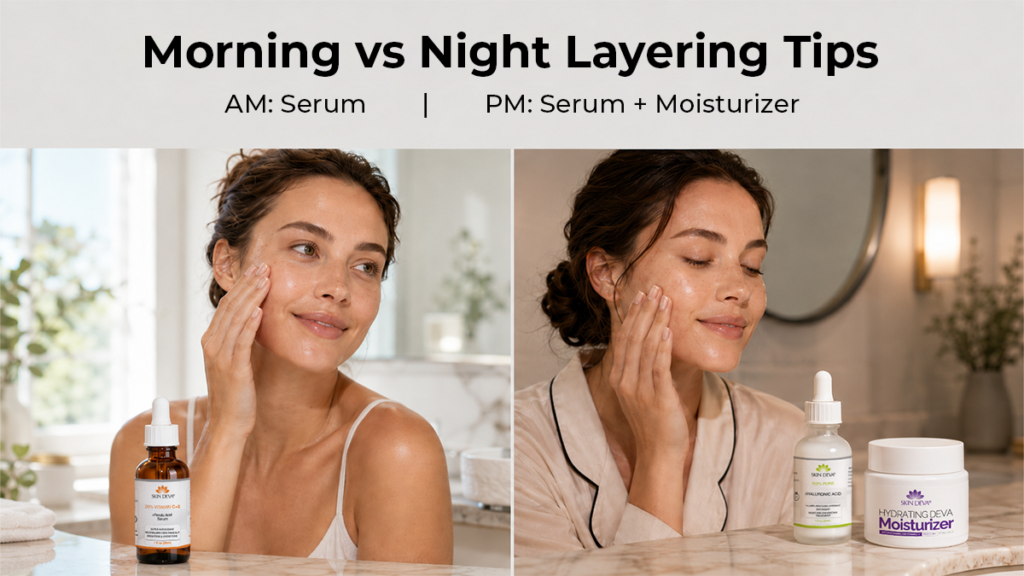
There is no single answer for every serum.
The best time depends on the ingredients and the instructions provided with the product.
For example, vitamin C is commonly included in morning routines, followed by moisturizer and sunscreen. Retinol products are generally used at night.
A simple morning routine may look like this:
Cleanser → Serum → Moisturizer → Sunscreen
An evening routine could be:
Cleanser → Serum or treatment → Moisturizer
If you use more than one serum, do not assume that all of them need to be layered together. Some combinations may irritate the skin, especially when several active ingredients are involved.
Keeping the routine simple can make it easier to understand how your skin responds.
Common Face Serum Mistakes to Avoid
Using Too Many Serums
It is tempting to buy one serum for every skincare concern.
But a routine with several active products can quickly become complicated.
Start with the concern that matters most to you and choose a suitable product. You can always reconsider your routine later.
Buying Something Only Because It Is Trending
A serum becoming popular on social media does not automatically mean it will suit your skin.
Online reviews can help you discover products, but check the ingredients and directions before buying.
Applying Too Much
More product does not automatically mean better results.
Use the recommended amount and allow the serum to settle before moving on to the next step.
Forgetting Sunscreen
Sunscreen is an important part of a daytime skincare routine. This becomes particularly relevant when your routine contains certain active ingredients.
A good serum routine should not replace basic sun protection.
Expecting Face Serum Immediate Results
Skincare usually takes time.
Applying a serum once or twice is not enough to decide whether it belongs in your routine. Give an appropriate product enough time while paying attention to how your skin feels.
At the same time, do not ignore irritation simply because you are waiting for results.
How to Read Face Serum Reviews
When reading reviews online, do not look only at the star rating.
A useful review usually gives some context.
Try to find out:
- What type of skin the reviewer has
- What concern they were trying to address
- How often they used the serum
- How long they used it
- What the texture felt like
- Whether they experienced irritation
- How it worked with their other skincare products
For example, a person with very oily skin may have a completely different experience from someone with dry skin.
A review is a personal experience, not a promise that the same product will produce the same result for you.
A Simple Face Serum Routine for Beginners

If you are new to serums, there is no need to build a ten-step routine.
Start with the basics.
Morning
Cleanser → Suitable serum → Moisturizer → Sunscreen
Night
Cleanser → Suitable serum or treatment → Moisturizer
You can also leave the serum out on days when your skin feels irritated or when the product instructions recommend using it less frequently.
The routine does not need to be complicated to be useful.
Once you understand how your skin responds, you can decide whether another product is actually necessary.
Frequently Asked Questions
1. What is a face serum?
A face serum is a lightweight skincare product containing concentrated ingredients designed to address specific skin concerns.
2. How do I choose the right face serum?
Choose a serum based on your skin type and skincare needs, such as hydration, uneven skin tone, acne-prone skin, or signs of aging.
3. Can I use face serum every day?
Yes, many serums can be used daily, but the recommended frequency depends on the ingredients and your skin’s tolerance.
4. Should I apply serum before or after moisturizer?
Serum is generally applied after cleansing and before moisturizer so its ingredients can be absorbed more easily.
5. How long does it take to see results from a face serum?
Results vary depending on the serum, ingredients, and skin concern. Consistent use over several weeks is often needed to notice changes.