
Buying things for a baby sounds simple until you actually start Kids Product shopping. You may open an online Kids Product store just to look for a few basic clothes and, within minutes, find yourself looking at feeding sets, bottle warmers, activity toys, baby monitors, strollers, carriers and things you did not even know existed.
That is where baby shopping can get confusing.
Some Kids Product turn out to be genuinely useful and become part of the daily routine. Others look wonderful in photos but hardly get used. A toy that costs a lot may be ignored, while a simple ball or a few building blocks can keep a child busy for much longer.
So, instead of making a shopping list based on what is trending, I think it is better to start with a more practical question: What will actually make life easier for this child and the people looking after them?
Age, comfort, safety, cleaning, storage and the family’s routine all matter. A product can be attractive and still be a poor choice if it is difficult to use every day.
Here are some baby and kids’ products worth considering, along with the things I would look at before buying them.
1. Baby Clothing
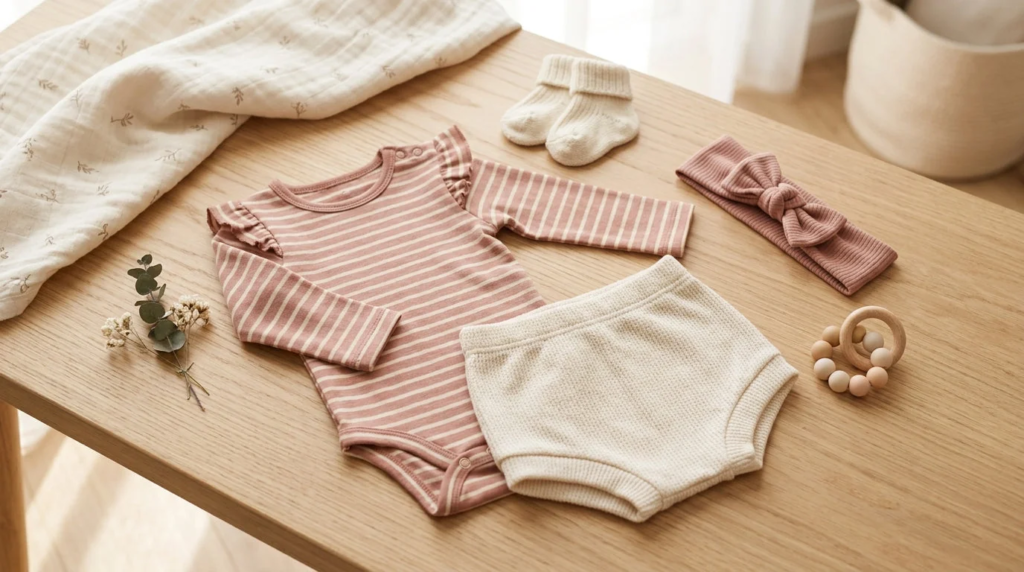
Baby clothes are difficult to resist. Tiny dresses, little shirts, colourful sets and cute night suits can make you want to buy far more than the baby actually needs.
For everyday wear, though, comfort wins.
Clothes that are easy to put on and remove are especially useful because babies may need several changes during the day. Soft fabrics, comfortable seams and simple fastenings are worth looking for. If an outfit takes too much effort to put on during a diaper change, it may not be the practical choice, no matter how cute it looks.
Weather makes a difference too. A baby living in a warm climate will not need a cupboard full of thick layers, while colder months may call for warmer clothing.
And do not forget how quickly babies grow. Buying ten outfits in exactly the same size may sound like a good deal until half of them no longer fit.
2. Diapers and Changing Essentials
Diapers are one of those purchases that do not stop after one Kids Product shopping trip. They become part of everyday life, so comfort and convenience are more important than fancy packaging.
Some families use disposable diapers, some prefer cloth, and some use a mixture depending on the situation. The choice can be based on what fits the family’s routine rather than what someone else recommends.
A changing area may also need wipes, a changing mat, spare clothes, diaper bags and a place to keep everything organised.
This is one area where good organisation can save a lot of frustration. When everything is kept together, you are not searching through different drawers for wipes while also trying to find a clean outfit.
Keep frequently used items easy for the caregiver to reach, and store products that children should not handle somewhere safe.
3. Baby Feeding Products
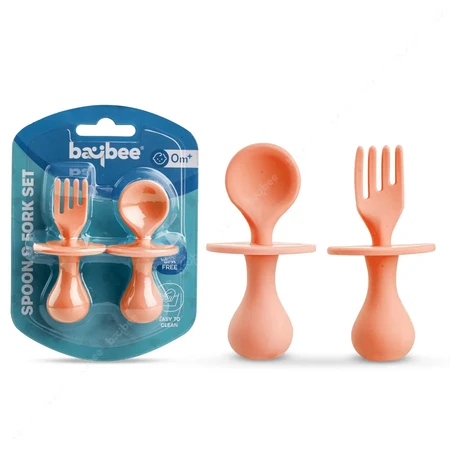
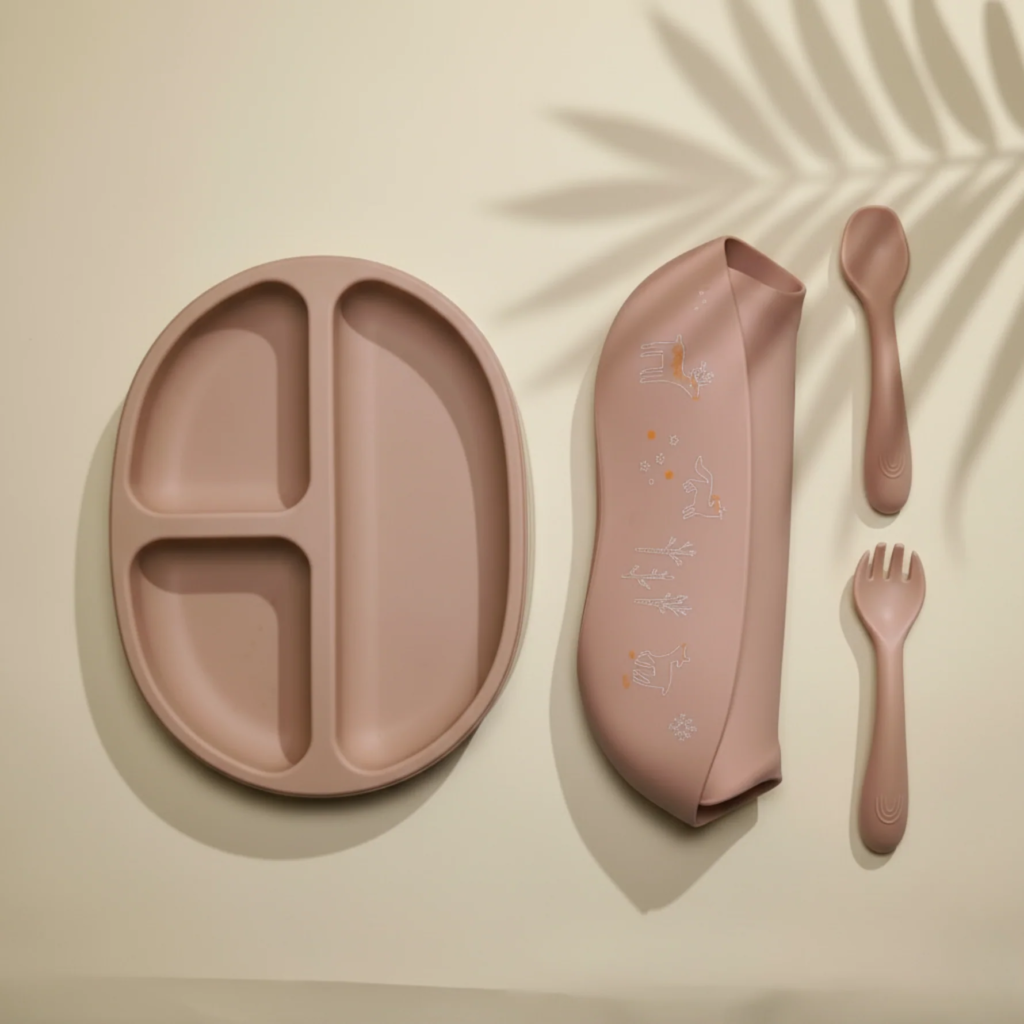
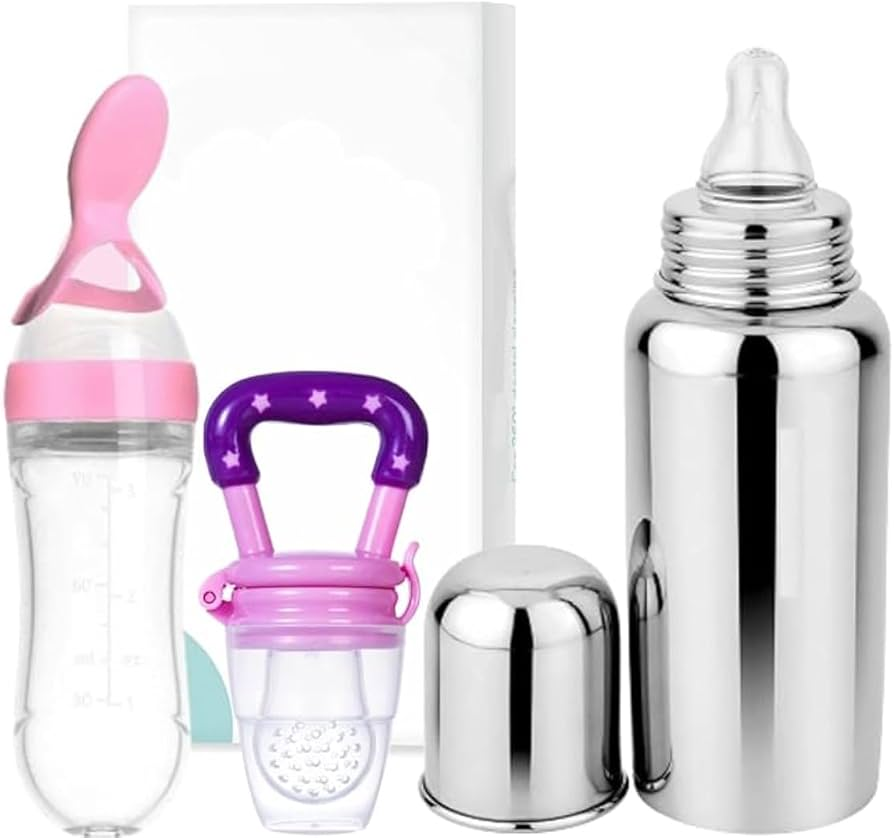
Feeding needs change quite quickly during the early years, which is why I would not rush to buy every feeding product at once.
For babies who use bottles, the basic items may include bottles, nipples, cleaning brushes and storage. Once solid foods become part of the routine, bowls, spoons, cups and bibs become more useful.
One small thing that can make a surprisingly big difference is how easy an item is to clean.
A bowl may look perfect in a product photo, but if food gets stuck around the edges or inside little corners, washing it every day can become irritating.
For older babies and toddlers, easy-to-hold spoons and cups that help reduce spills can make meals a little less messy.
There is no need to create a complete feeding collection on the first shopping trip. Buy what is needed now and add other things when the routine changes.
4. Baby Bottles
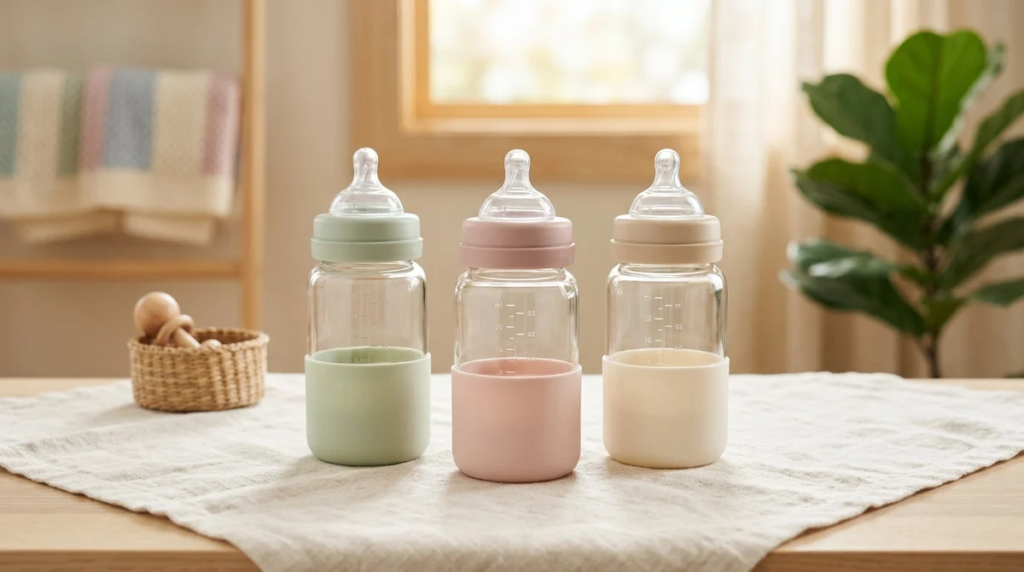
Choosing bottles can take a little experimenting. Babies do not all respond to the same bottle in the same way, so buying a large set immediately may not always make sense.
When comparing bottles, look at the material, size, shape and cleaning requirements. Also read the instructions provided by the manufacturer.
Think about your actual routine too. If bottles are being washed frequently, you may not need a huge collection.
Starting with a smaller number gives you the chance to see what works before spending more money.
Bottle parts also need proper Kids Product cleaning and replacement according to the manufacturer’s instructions. It is one of those everyday jobs that can easily be forgotten when there are a hundred other things happening.
5. Strollers
A stroller can become a regular part of family outings, so it is worth thinking beyond how it looks.
Where will you use it most?
If you often travel, use public transport or deal with stairs, carrying a heavy stroller may become tiring. If you usually take longer walks, you may want something with features that make those outings easier.
The folding mechanism is worth testing in the shop. Do not just watch someone else fold it. Try doing it yourself.
Storage space is another little detail that becomes useful later. Once you have a diaper bag, spare clothes, water bottles and other small items with you, an extra basket can be handy.
Before using a stroller, check the manufacturer’s guidance for age, weight, harness use and safe operation.
6. Baby Car Seats
For families who travel by car, choosing an appropriate child restraint is an important decision.
I would not pick a car seat simply because it looks comfortable or matches a stroller. The child’s age, size and weight need to be considered along with the manufacturer’s requirements.
Installation matters just as much as the seat itself. A good product still needs to be installed and used correctly.
Before purchasing or continuing to use a car seat, check relevant recall information and read the manufacturer’s instructions carefully.
This is one purchase where taking a little extra time to understand the product is much better than choosing quickly because of appearance, brand name or price.
7. Baby Sleep Products
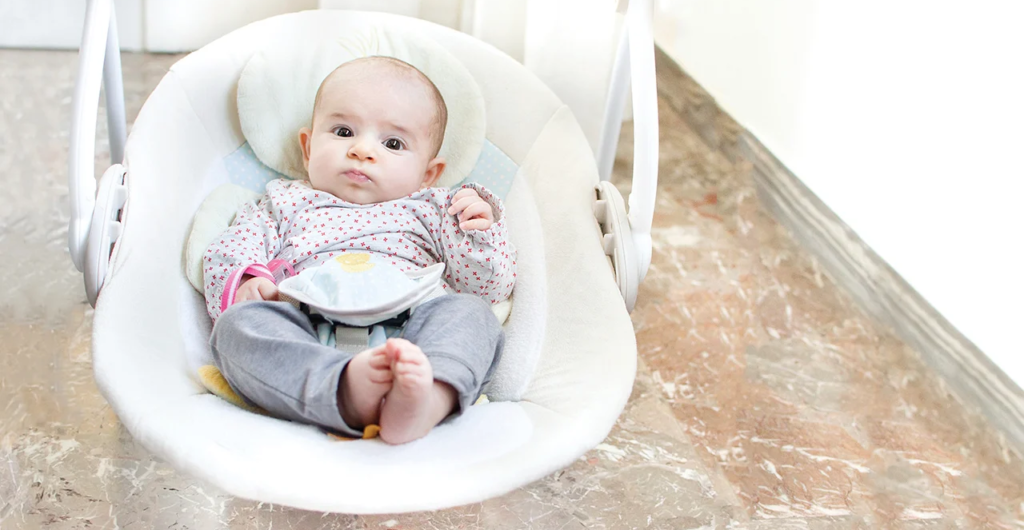
Baby sleep products can be particularly confusing because there are so many Kids Product advertised as making sleep easier.
This is one category where safety information should come before clever features or attractive designs.
Current guidance from the U.S. Consumer Product Safety Commission recommends appropriate infant sleep products such as compliant cribs, bassinets, play yards and bedside sleepers. It recommends a firm, flat sleep surface with a fitted sheet and placing babies on their backs.
Parents should also avoid putting pillows, loose blankets, stuffed toys or other soft items in an infant’s sleep space.
Another important point is that not every Kids Product where a baby falls asleep is intended to be a sleep space. CPSC advises moving a sleeping baby from products such as swings, bouncers or loungers to an appropriate sleep space.
When buying sleep products, checking the safety information first is far more important than choosing the one with the most attractive design.
8. Baby Carriers
Baby carriers can be useful when you want to keep your baby close while still having your hands free.
There are several types, including wraps, soft carriers and structured carriers. The right option depends on the baby’s age, size, developmental stage and the comfort of the person carrying the baby.
Before buying one, check how it is adjusted. If the straps are confusing or the instructions are difficult to understand, that is something worth considering before purchasing.
Do not assume that every carrier can be used in every position. Follow the instructions for the particular carrier and the child’s stage of development.
9. Baby Bath Products
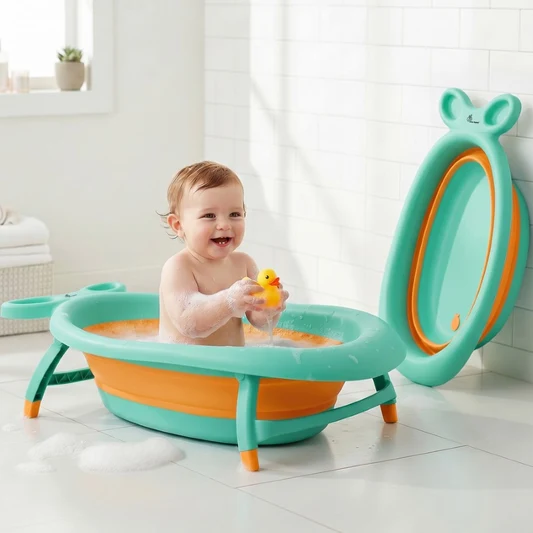
You do not need an entire shelf of products for bath time.
A suitable baby bathtub, towels, soft washcloths and age-appropriate bathing products can cover the basics.
When choosing a bathtub, think about where it will be kept after use. Something that is difficult to clean or takes up too much space may become inconvenient very quickly.
And no matter which bath product you choose, it should never replace adult supervision. Babies and young children should not be left alone around water.
For baby skincare products, check the ingredients and make sure the product is appropriate for the child’s age. Extra care may be needed if the child has sensitive skin.
10. Baby Monitors
A baby monitor can be helpful when you need to keep an ear or eye on your child while working in another room.
Some monitors are very basic and provide sound only. Others include video and additional functions.
There is no need to automatically choose the model with the longest feature list.
Think about your home first. If you mainly need to hear when the baby wakes up, a basic monitor may be enough. If seeing the child from another room is important to you, a video model may make more sense.
The useful features are the ones that fit your routine, not simply the ones that look impressive on the box.
11. Toys for Babies
Toys give children a way to explore and interact with the world around them.
For a young baby, simple toys can be enough. As children grow, their interests often change. Blocks, stacking toys, puzzles, pretend-play sets and art materials can all become useful at different stages.
One thing I would never skip is the age recommendation.
CPSC advises parents to follow the age guidance and safety information provided with toys. Small parts and small balls can create choking hazards for children under 3.
So before buying a toy just because it looks fun, check whether it is actually suitable for the child’s age.
Sometimes the simplest toy gets the most attention. Children can be surprisingly good at ignoring the expensive toy you spent twenty minutes choosing.
12. Learning Toys and Activity Products
The word “educational” appears on a lot of Kids Product , but that does not automatically make a toy useful.
A simple puzzle can encourage problem-solving. Building blocks can lead to hours of creating different things. Drawing and colouring can keep a child busy without needing batteries or a screen.
The child’s personality matters here.
One child may love construction toys, another may enjoy drawing, and someone else may prefer pretend play. So instead of looking for the most advanced learning toy, I would first think about what the child actually enjoys doing.
A toy does not have to be complicated to be useful.
13. Books for Babies and Kids
Books are one of the few things that can stay useful as children grow because the type of book can simply change with age.
For babies, board books with bright pictures, simple words and sturdy pages are practical.
Older children can move towards storybooks, comics, activity books, educational books or subjects they are personally interested in.
There is no need to buy a huge collection at once. A few books that a child enjoys can be enough to create a reading habit.
And sometimes reading together becomes the nicest part of the routine. It is not always about finishing the book. Even a few pages before bedtime can become a familiar little moment.
14. School Bags and Stationery
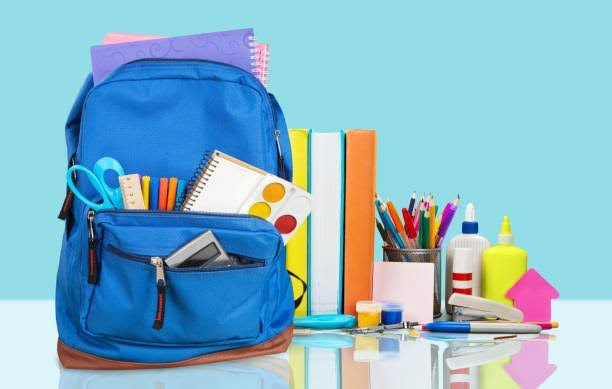
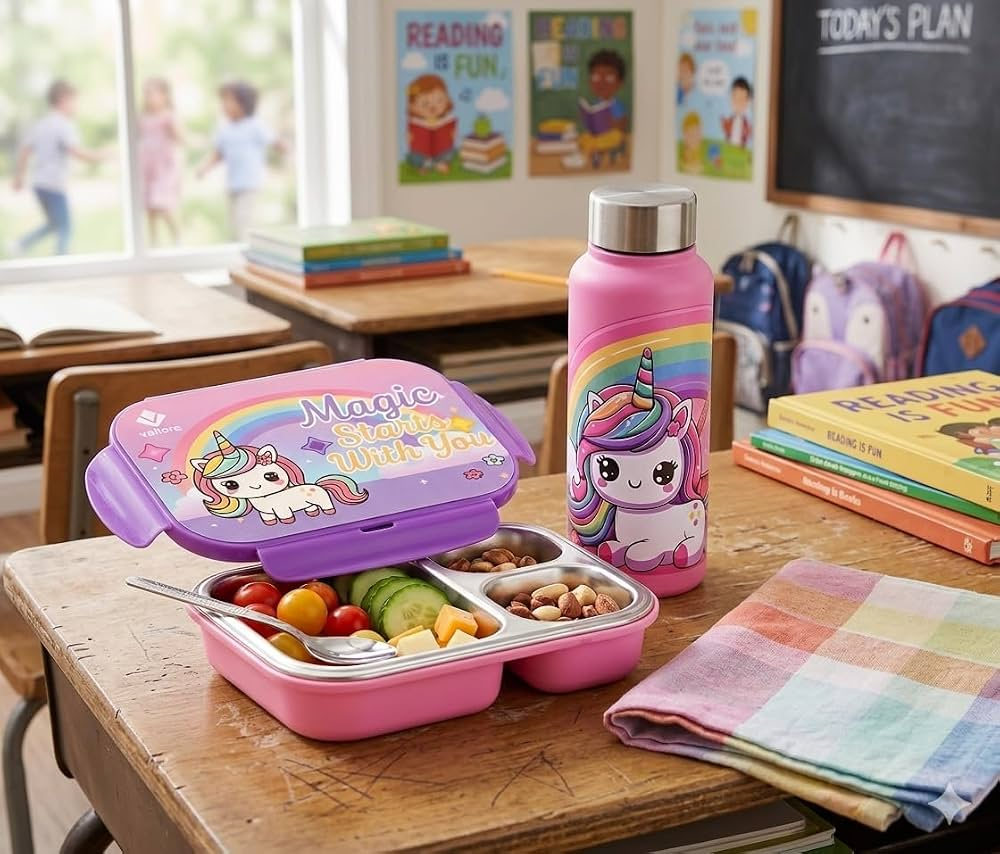
School bags and stationery become everyday items once children start going to school.
The bag should fit the child reasonably well and have enough space for the things they actually carry. A giant bag with lots of pockets is not automatically better.
Stationery can be a little different because children are often attracted to colourful designs. Fancy pencil cases, decorated notebooks and colourful pens can be fun, but it still makes sense to check the school’s requirements first.
For younger children, simple products that they can open, close and use without constantly asking for help can be more practical.
15. Kids’ Water Bottles and Lunch Boxes
Water bottles and lunch boxes may not seem like important purchases, but children use them almost every school day.
A bottle should be easy for the child to carry and open. Check the lid as well. A bottle that looks great but leaks inside a school bag is going to become a problem very quickly.
For lunch boxes, think about the amount of food the child usually takes. Bigger is not always better.
Older children can also be involved in choosing these products. Give them a few suitable options and let them choose the colour or design they like. Having some choice can make them more interested in using the item.
16. Baby and Kids Safety Product
As a child starts crawling, walking and eventually running around, the home changes from a quiet space into a place full of things worth exploring.
Depending on the home, parents may consider cabinet locks, outlet covers, safety gates, window guards and corner protection.
But these products only help when they are installed and used correctly.
CPSC notes that no device can make a home completely childproof. Parents still need to supervise children and notice new hazards as the child becomes more mobile.
The safety concerns for a crawling baby will not be exactly the same as those for a toddler who can reach shelves and open doors.
So childproofing is better treated as an ongoing process.
What Should Parents Check Before Buying Kids Product ?
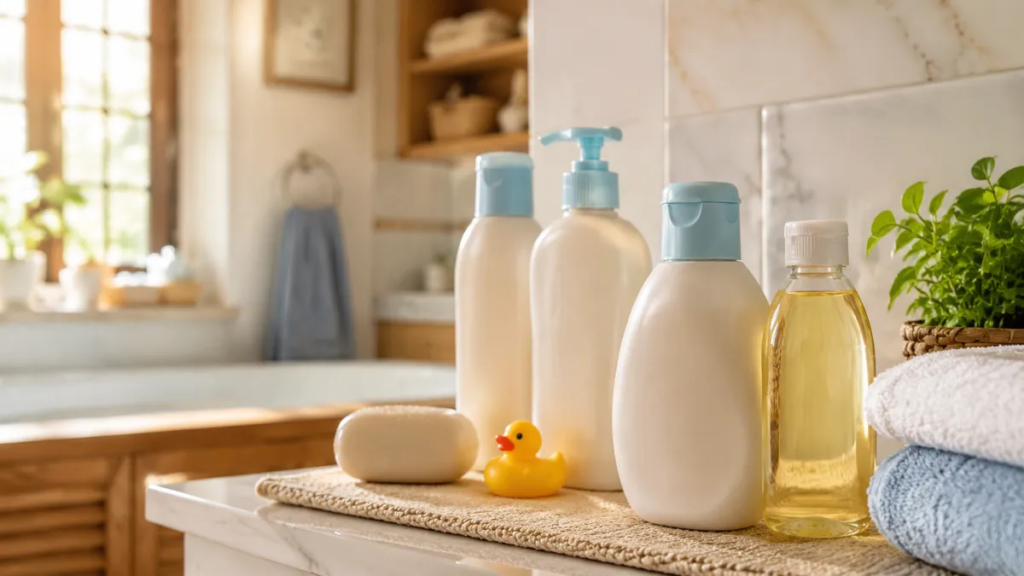
A Kids Product may look perfect online, but there are a few boring questions worth asking before clicking “buy.”
Check the Kids Product Age Recommendation
Start with the manufacturer’s age, size, weight or developmental guidance.
A Kids Product suitable for a newborn may not be right for a toddler. The same applies in reverse.
Think About Kids Product Cleaning
Children make messes. That is just part of life with them.
Before buying anything, look at how Kids Product needs to be cleaned. If there are lots of tiny parts or hard-to-reach areas, ask yourself whether you will realistically want to clean them regularly.
Look at the Kids Product Material
Check what the product is made from and read the care instructions.
This matters even more for items that touch food, drinks or a child’s skin.
Read the Kids Product Instructions
Instructions can feel unnecessary when a product looks straightforward.
For car seats, strollers, carriers, feeding equipment and safety products, however, they should not be ignored.
Use the product for its intended purpose and follow the manufacturer’s directions.
Check Kids Product for Recalls
Before buying or continuing to use an important baby product, it is worth checking for applicable recall information.
Pay particular attention to products such as cribs, car seats, strollers and other equipment that a child uses regularly.
How to Save Money on Baby and Kids Product
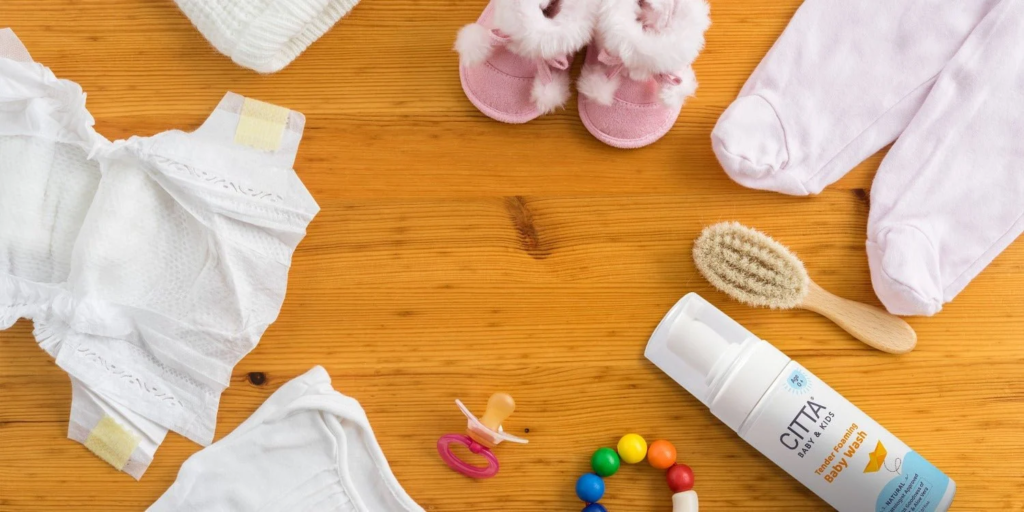
Children grow quickly, and their interests can change just as quickly. That makes it very easy to buy things that are useful for a short time and then forgotten.
Before buying something, pause for a moment and ask:
Will we use this regularly?
Is it right for the child’s current age?
Do we need it now, or can we wait and see?
These three questions can prevent a surprising amount of unnecessary shopping.
With clothes, avoid buying too far ahead unless you are confident about the size and season.
With toys, try putting some existing toys away for a while and bringing them back later. A toy that seemed boring last month may suddenly become interesting again.
For larger products, think beyond the price tag. Storage, cleaning, durability and how long the child is likely to use the item all matter.
Final Thoughts
Baby and kids’ shopping does not need to become a race to collect the newest products.
The things that usually make the most sense are the ones that fit into real everyday life. A product should be suitable for the child’s age, comfortable to use, reasonably easy to clean and, above all, appropriate for its intended purpose.
One family may get a lot of use from a stroller and diaper bag. Another may spend more time using books, toys, feeding products or school supplies.
There is no reason for every family’s shopping list to look identical.
For baby products, especially sleep-related ones, safety deserves extra attention. Current CPSC guidance recommends an appropriate infant sleep product, a firm and flat sleep surface, a fitted sheet and a clear sleep space.
You also do not have to buy everything before you know what your child actually needs. Start with the basics. See what becomes part of your routine. Then buy the next thing when there is a genuine reason for it.
That approach can save money, reduce clutter and leave you with products that are actually used instead of things sitting untouched in a cupboard.
Frequently Asked Questions
The Best Body Care Routine: Easy Tips for Healthy-Looking Skin
I have always paid more attention to my face when it comes to skincare. Face…

The Best Garba Makeup Ideas: Beautiful Looks for Navratri Nights
Getting ready for Garba is almost as exciting as going to Garba itself. There is…

Best Morning Routines for Better Sleep and Daily Energy
There are days when I wake up and feel ready to get on with everything….

Daily Wellness Tips: Easy Natural Habits for Better Health
For a long time, I had a strange idea about being healthy Daily Wellness. I…
The Best Hair Products for Daily Hair Care
When I first started paying more attention to my hair, I thought I needed a…
The Best Baby & Kids Product Guide: Best Picks for Parents
Buying things for a baby sounds simple until you actually start Kids Product shopping. You…